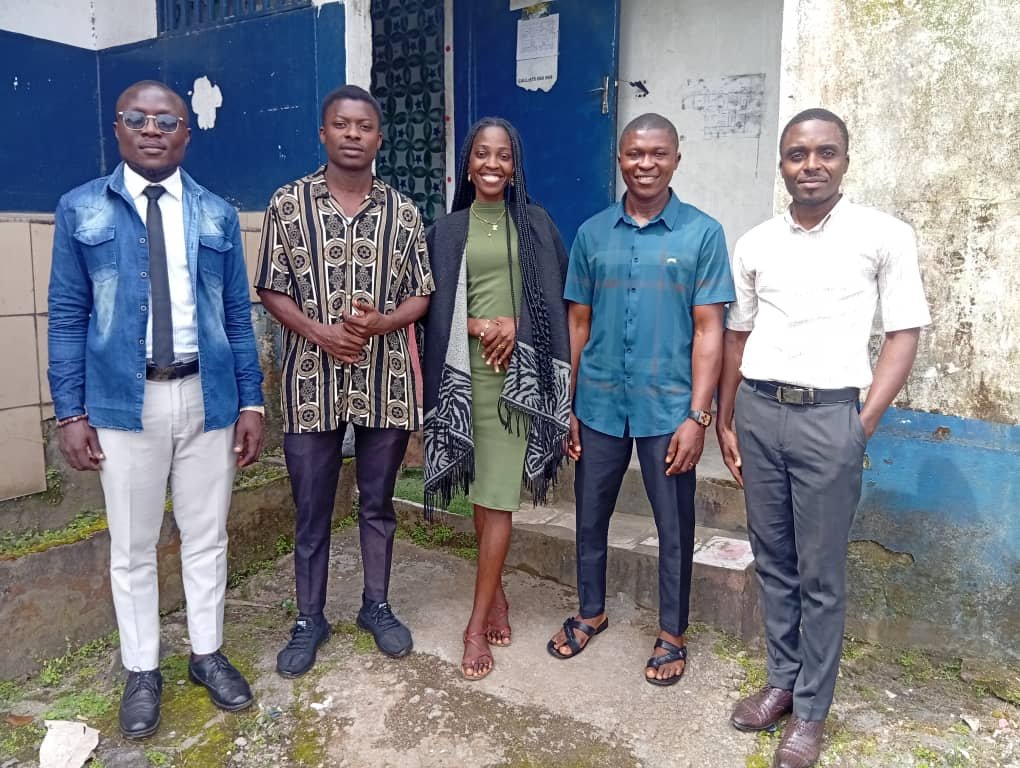
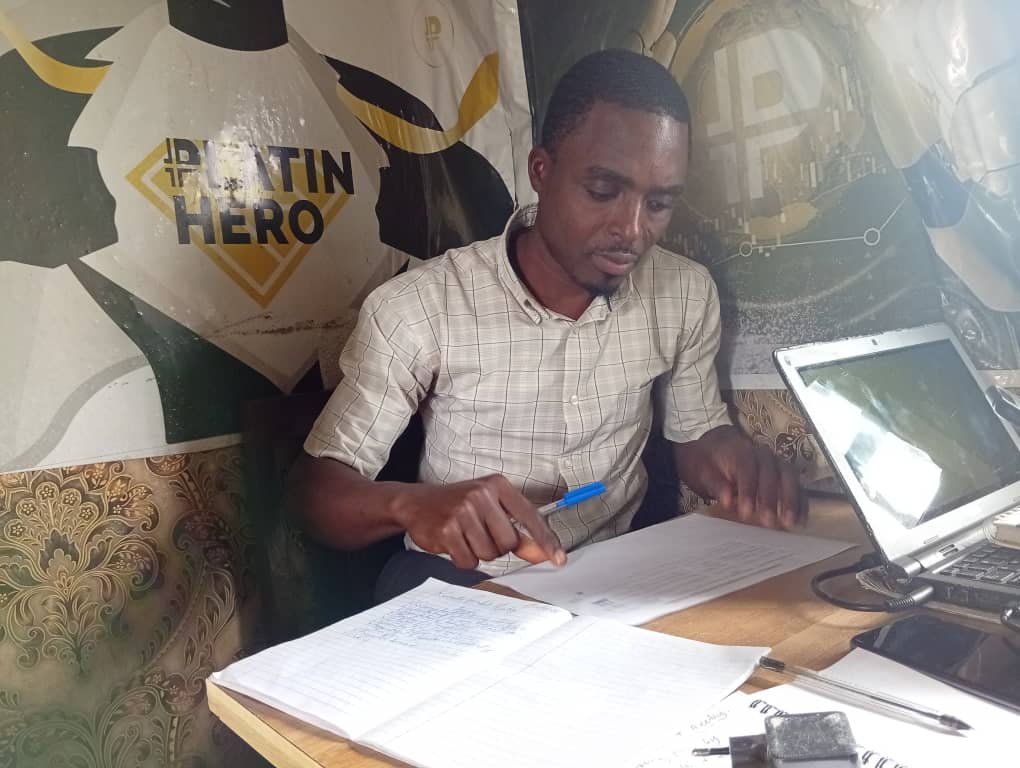
Education being considered as an instrumental tool aimed at fast-tracking sustainable development, the Centre looks towards encouraging educational opportunities in areas where it services are rendered. Education is conducted through informal and formal methods ensuring that young children of school going age are not prevented from receiving educational training no matter the socio-economic and cultural settings in which these children especially young girls receive equal opportunity just like their male counterparts. In conflict situations, the Centre believes that the educational foundation of the children SHOULD NOT be prevented, stopped as a means of having our differences heard. Children in conflict-affected regions should rather be encouraged to receive the necessary training needed for their personal and community development. In areas where formal education becomes very dire, informal education would be vital in educating children through skills acquisitions, drama, and training that would go a long way in empowerment of the youth in these grassroots communities.
Children in the Northwest and Southwest Regions of Cameroon continue to bear the heaviest burden of the ongoing conflict. For close to a decade now, violence, insecurity, forced displacement, and prolonged school shutdowns have deprived thousands of children of their fundamental right to education. Schools—once safe spaces for learning, creativity, and social development—have too often become battlegrounds, leaving many children without access to formal, non-formal, and informal learning opportunities.
At Konnette Centre for Peace, Dialogue and Development, we recognize that education is not only a human right but a pathway to peace, resilience, and long-term development. The denial of educational opportunities to children is a direct threat to the future of the Anglophone communities, weakening social cohesion, reducing livelihood prospects, and increasing vulnerability to violence and exploitation.
- The Impact on Formal Education
The conflict has led to:
- Destruction and closure of schools
- Fear of attacks on educational facilities
- Reduced availability of teachers
- Long-term interruption of the academic calendar
As a result, many children have lost years of learning, with long-term psychological and developmental consequences.
- The Breakdown of Informal and Community-Based Learning
Informal learning—traditionally acquired through family interactions, apprenticeship, community gatherings, and religious instruction—has also been disrupted.
Displacement, family separation, insecurity, and economic hardship make it difficult for children to receive:
- Life skills education
- Cultural and moral guidance
- Vocational or practical skills training
This widens the gap between children and the social values, cultural identity, and knowledge systems that sustain peaceful communities.
- The Need for Safe, Inclusive, and Flexible Learning Pathways
Konnette Centre believes that restoring education in the Anglophone regions requires creativity, dialogue, and multi-stakeholder collaboration. We affirm that education can—and must—continue even in times of crisis. We advocate for a blended and flexible approach that ensures every child learns safely, regardless of their location or social condition.
What Konnette Centre Believes Should Be Done
KCPDD strongly recommends the following approaches:
- Prioritising Safe Learning Environments
- Create and protect safe zones for learning through community dialogue and local peace agreements.
- Promote “education without fear” by reducing violence around schools.
- Expanding Alternative Education Models
- Community learning centres that operate in secure, supervised locations.
- Accelerated learning programs for children who have missed years of schooling.
- Mobile education teams reaching remote and displaced populations.
- Strengthening Home-Based and Informal Learning
- Support parents and caregivers with simple, conflict-sensitive learning materials.
- Encourage community mentorship and peer-learning networks.
- Promote vocational and life-skills training that helps children build resilience.
- Integrating Peace Education
- Teach children non-violence, dialogue, cooperation, empathy, and conflict-resolution skills.
- Use education as a tool to rebuild broken trust and prevent future conflicts.
- Ensuring Inclusive Access for the Most Vulnerable
Special attention must be given to:
- Orphans and unaccompanied minors
- Children with disabilities
- Girls facing heightened risks of abuse, early marriage, or exploitation
- Children in rural, hard-to-reach communities
- Strengthening Partnerships
KCPDD will collaborate with:
- Community leaders
- Schools and teachers
- Faith-based institutions
- International and national NGOs
- Local councils
- Parents’ associations
Partnerships ensure that responses are locally owned, culturally grounded, and sustainable.
Our Commitment
Konnette Centre for Peace, Dialogue and Development is committed to championing the right to education for every child in the Anglophone regions—whether through formal schooling, informal community education, or skills-based learning.
We believe that a peaceful and prosperous future depends on investing in children today.
We therefore call on all stakeholders to join hands with us in restoring hope, dignity, and learning opportunities to children whose dreams have been disrupted by conflict.